

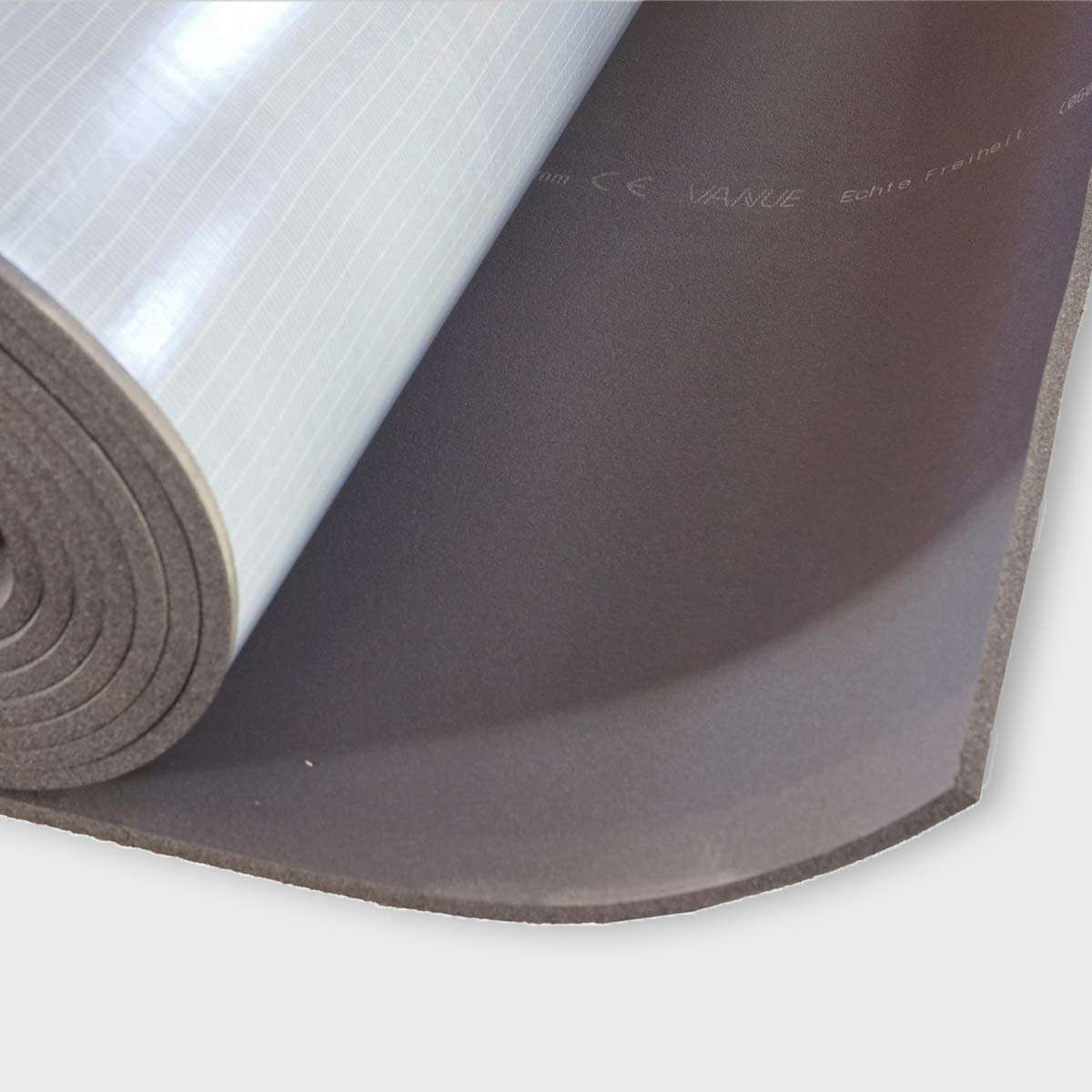
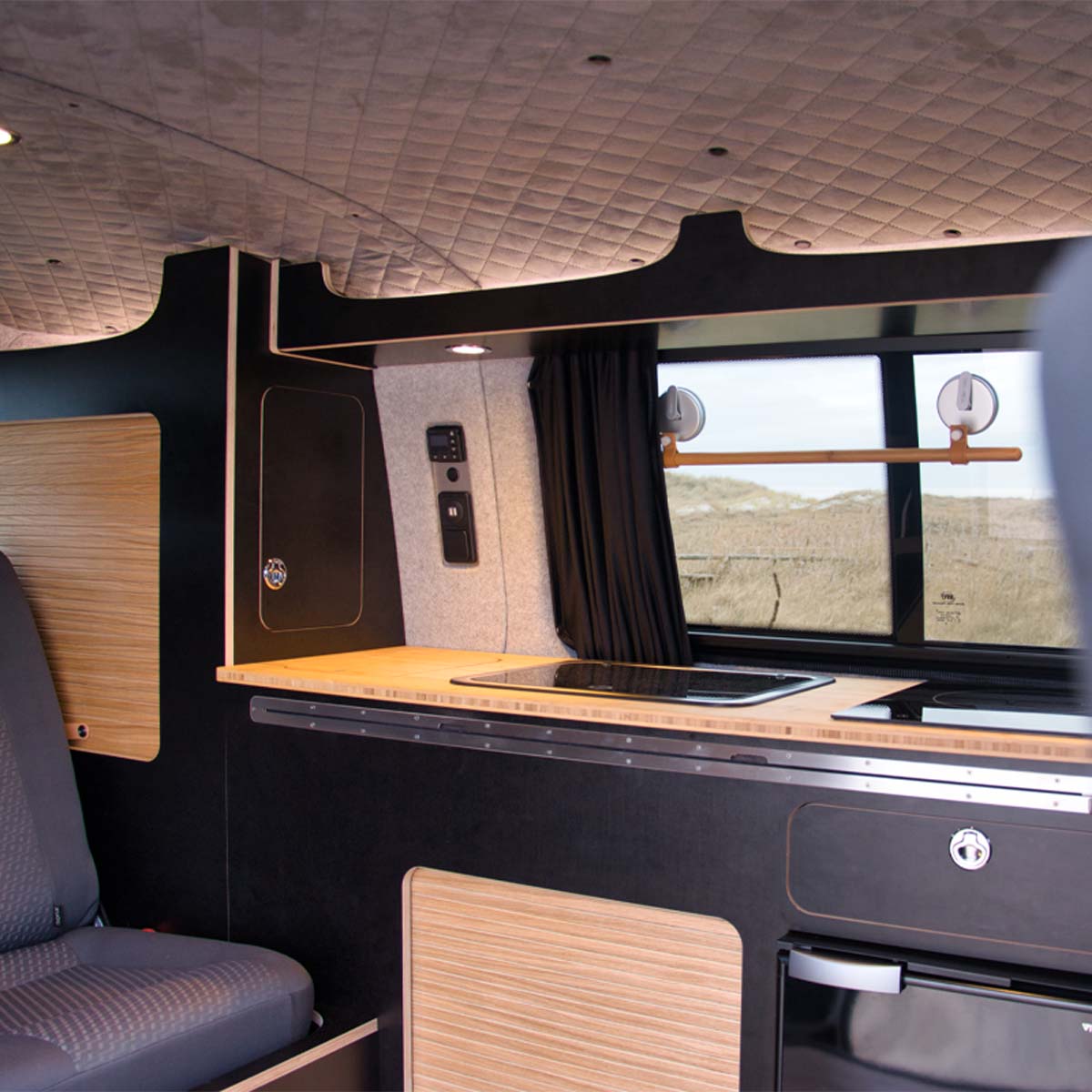
Insulation plays a central role when converting your campervan, as it serves to regulate the heat exchange between the interior and exterior. This important step in the camper conversion takes some time and should be carefully planned.

When properly installed and with the right insulating material, effective insulation keeps the interior pleasantly cool in summer and wonderfully warm in winter, as it delays the heat exchange between inside and outside. In addition, optimal insulation also protects against moisture in the interior and helps prevent mold and rust, especially if your panel van has an indoor shower.

Soundproofing is also a great advantage of skillful insulation in camper vans or motorhomes. A well-thought-out and precisely executed camper insulation is therefore the basis for a comfortable and sustainable camper that reliably accompanies you on all your travels. We explain how it works.
Proper Camper Insulation: A Guide for DIY Conversions

Insulation thickness

The thickness of the insulation material is crucial for effective thermal insulation in your campervan or motorhome. The thicker the insulation material, the better it can absorb and store heat and protect the interior from cold in winter and heat in summer. Thicker motorhome insulation reduces thermal bridges and minimizes energy loss, which significantly increases comfort in the camper. Depending on the climate zone you want to travel to, you should therefore choose the right thickness of the insulation material. The colder or warmer the holiday region, the thicker the insulation must be.

Extra tip for cold regions: To avoid condensation and moisture problems inside your camper, it is best to choose an insulation thickness of 10 mm or more. This prevents warm, moist air from the interior from meeting cold surfaces, which significantly reduces the formation of dew and condensation. Simply choose one of the 4 available insulation thicknesses from 6 to 25 mm in our shop for your optimal insulation and order the right products for your camper conversion today.

Camper Conversion Success

Perfect Prospects

Discover the best window and glazing systems for your camper van and fully enjoy your road trips.

Smartly Connected

Our experts are highly knowledgeable and will provide you with insights into the safest electrical systems and the latest camper technology.

No compromises

Custom interiors for your camper van – specially tailored to your style, wishes, and needs.

Self-actualization

Do you prefer to put your ideas into practice yourself? Start your campervan project today with the right equipment from our online shop.

Insulation material

Choosing the right insulation material can be a bit of a challenge, as not all insulation is suitable for vehicles that need to operate in different terrains. For your DIY camper conversion, it is therefore important to ensure that the insulation is easy to work with, meets modern and sustainable standards, and provides all the functions of effective sealing.

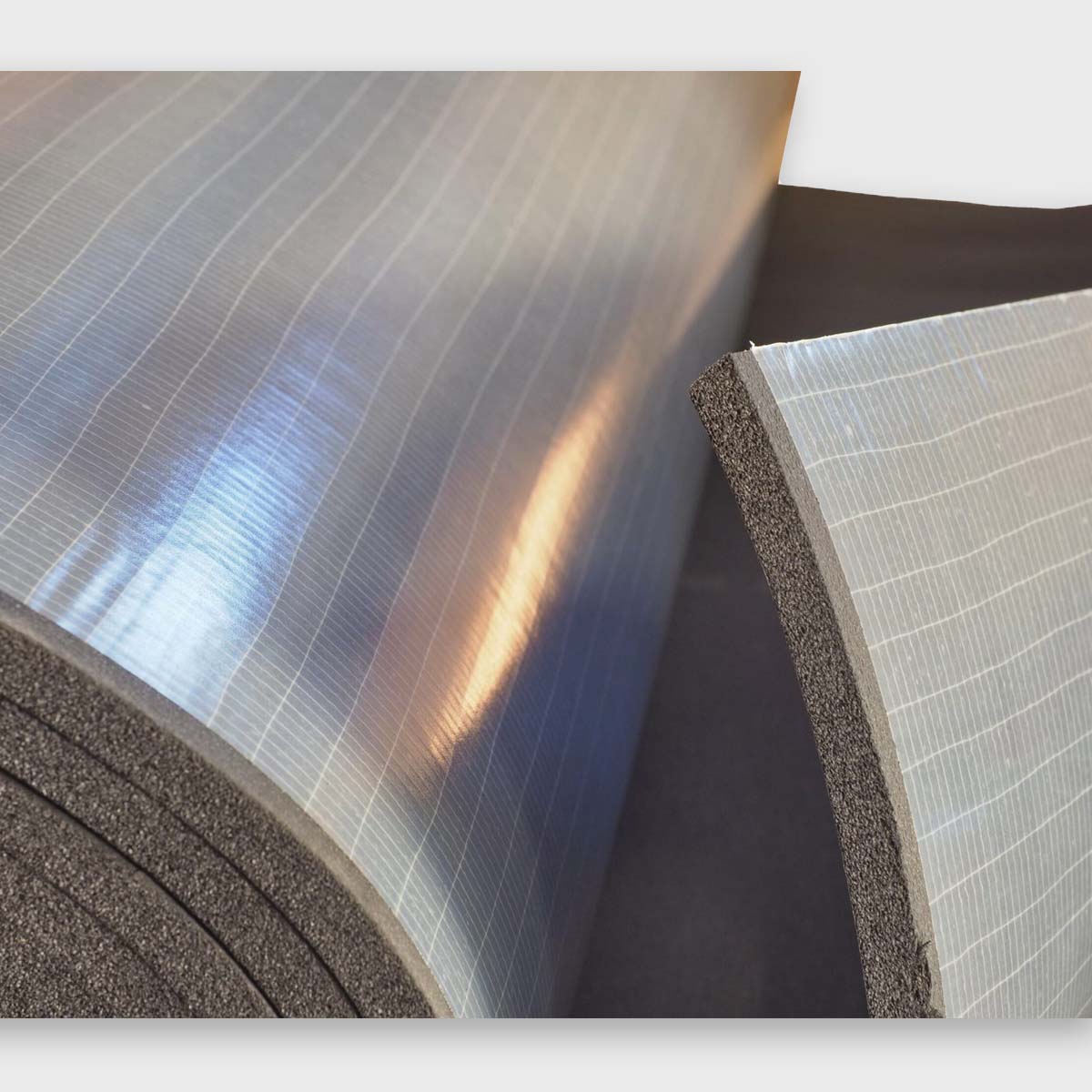
Good thermal conductivity and water vapor permeability are also preferred properties for good campervan insulation. To save unnecessary effort, it is best to buy self-adhesive insulation material. You can easily cut this yourself and then effortlessly attach it anywhere in the vehicle interior.

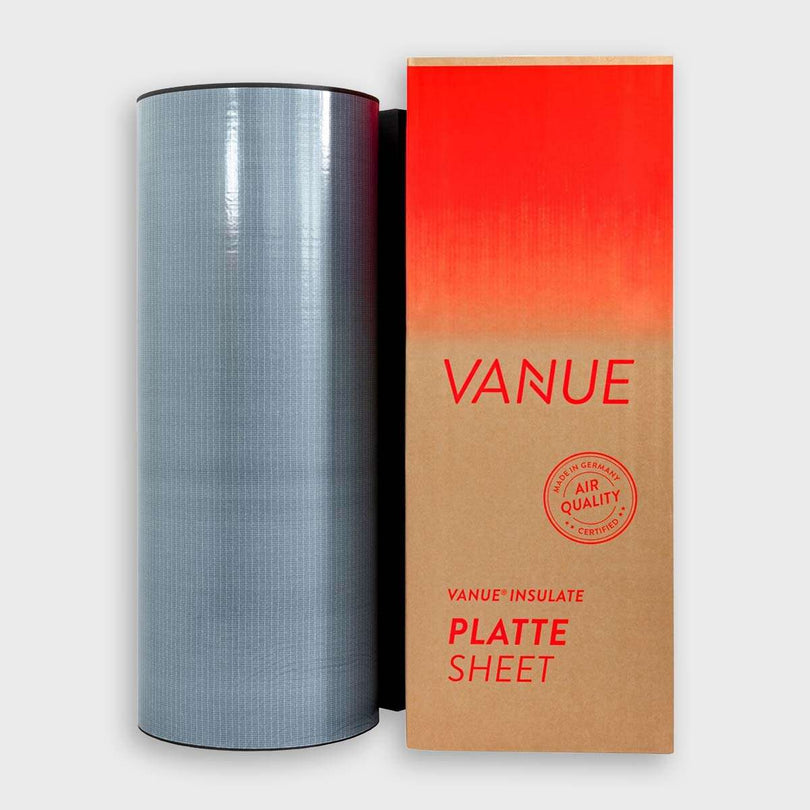
Our tip: Be sure to allow enough time for this step and proceed carefully to achieve optimal results. OurVanue Insulate insulation material is perfect for DIY areas, is made in Germany, and consists of synthetic rubber that releases no pollutants or unpleasant odors, ensuring certified high air quality in your vehicle.

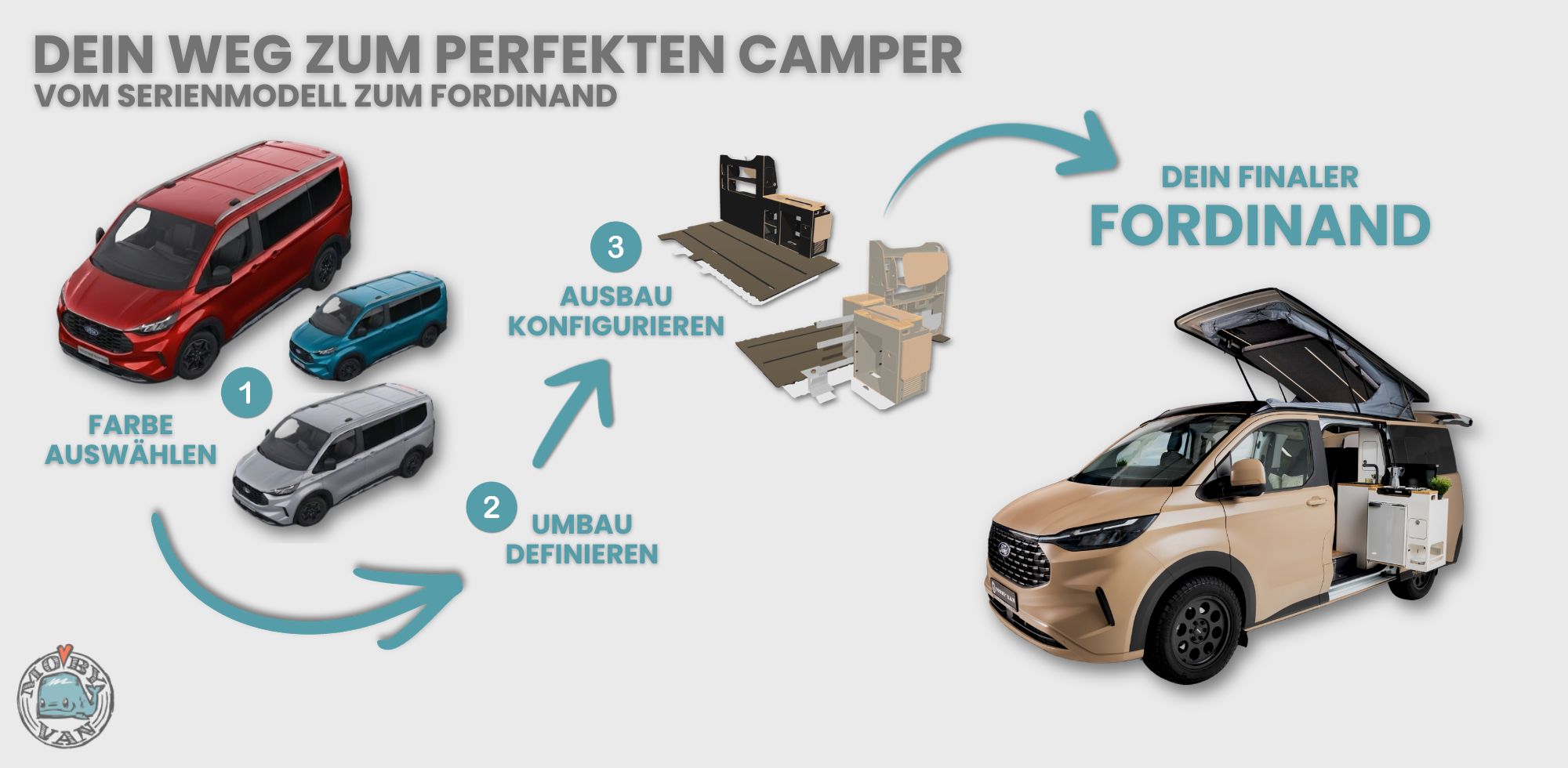
How the expansion works:

Submit request

Simply send us an inquiry with your specifications and requirements and our team will show you the possibilities.

Frequently Asked Questions

The best insulation for campers depends on the requirements, but materials like Vanue Insulate are very popular. They offer excellent thermal and moisture insulation, are easy to work with, self-adhesive, and protect against mold and condensation. Synthetic rubber is often preferred because it is lightweight, flexible, and free of harmful substances.

Yes, additional insulation in an RV is possible and makes sense to improve the indoor climate. You can install materials such as rigid foam panels, Styrofoam, insulation mats, or, ideally, Vanue in the walls, ceiling, and floor. Windows can also be fitted with thermal curtains or insulating films to minimize heat loss. Doors and hatches should be sealed to prevent drafts. It is also advisable to insulate water tanks and pipes against cold. Good insulation increases comfort in the RV and saves energy in the long run.

Armaflex is frequently used for insulation, but there are several reasons why it is not the best choice for camper vans and motorhomes. Armaflex is primarily designed for industrial applications, such as piping, and while it offers good insulating properties, it also has drawbacks. It can absorb moisture over time, which can lead to mold growth, especially in small spaces with poor ventilation, such as in a camper. Additionally, it is less flexible, which can be an issue when adapting it to irregular surfaces in a motorhome. Alternatives like Vanue are often more suitable, as they have been specifically developed for use in motorhomes and offer higher moisture resistance.

Inquire now